Article
Why I Prefer Simple Tools Over Perfect Systems
Complex systems feel powerful, but simple tools get used. I learned to favor clarity and momentum over perfectly engineered setups.
Why simple tools outperform complex systems, and how clarity and usage matter more than technical perfection.
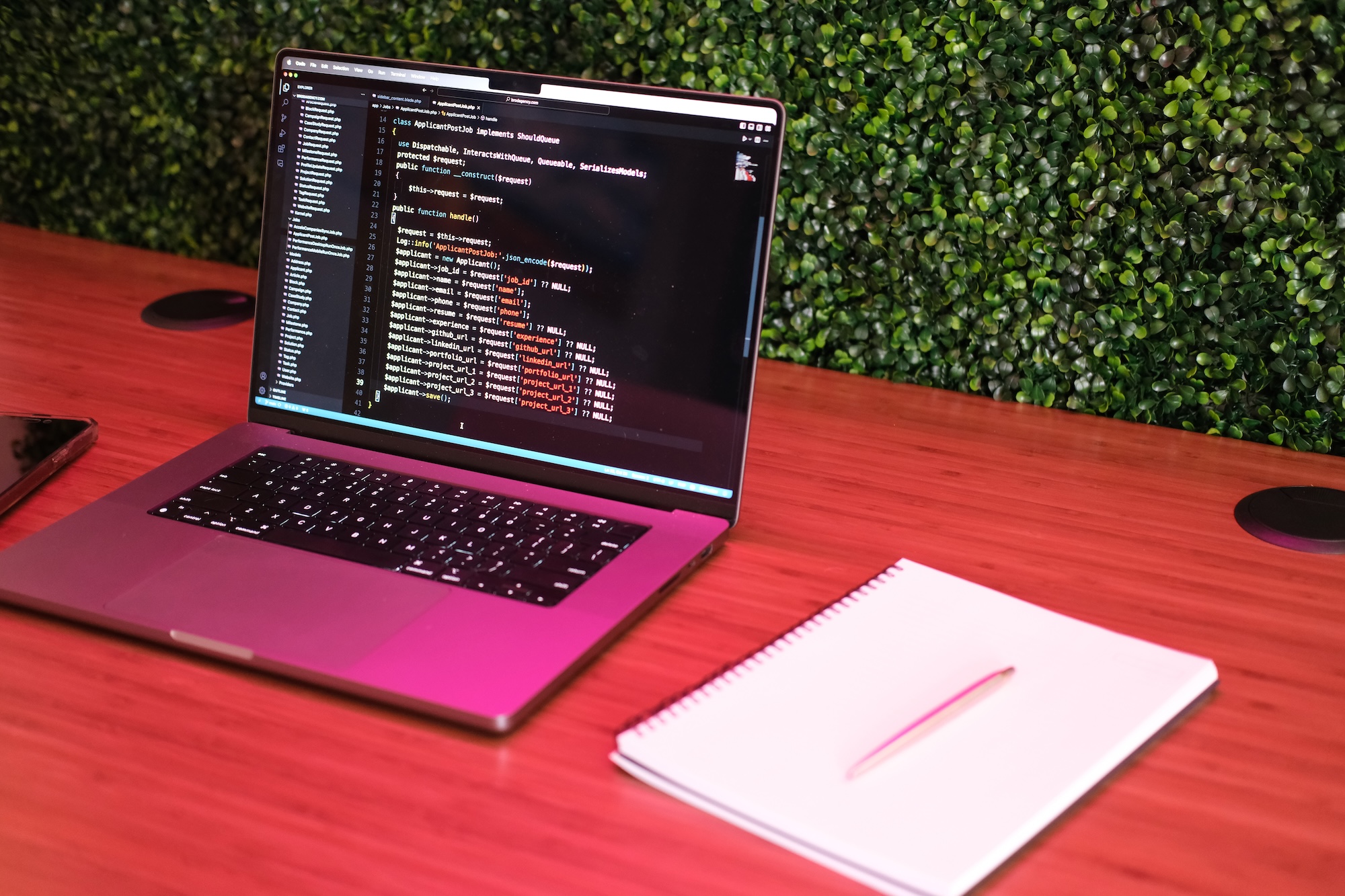
As a developer, it is easy to fall in love with systems.
Frameworks, workflows, dashboards, automations. The promise is always the same: once everything is connected, work will finally feel effortless.
In practice, the opposite usually happens.
Complex systems create hidden friction
Every layer you add has a cost. More configuration. More maintenance. More decisions. Eventually the system becomes something you work around instead of something that supports you.
I have built complex setups that looked impressive but failed at the most basic requirement: getting used consistently.
When I stepped back, the problem was obvious. The system was optimized for completeness, not clarity.
Simple tools remove excuses
A simple tool has one job. You open it, you know what to do, and you move on.
Some of the most effective workflows I have used were almost boring:
- A plain task list
- A shared document with clear ownership
- A basic dashboard that answers one question
They worked because there was no ambiguity.
Usage matters more than elegance
A tool that gets used daily beats a perfect system that gets avoided.
This applies to code, processes, and even personal productivity. If something requires constant explanation or discipline just to maintain, it will eventually fail.
Now, when I evaluate tools or systems, I ask:
- Will I still use this when I am tired?
- Does this remove a decision or add one?
- Can someone else understand this without me explaining it?
Build the system you can maintain
There is nothing wrong with complexity when it earns its place. But most of the time, simplicity is the better default.
Clarity scales better than cleverness.
The best systems disappear into the background and let you focus on the work that matters.